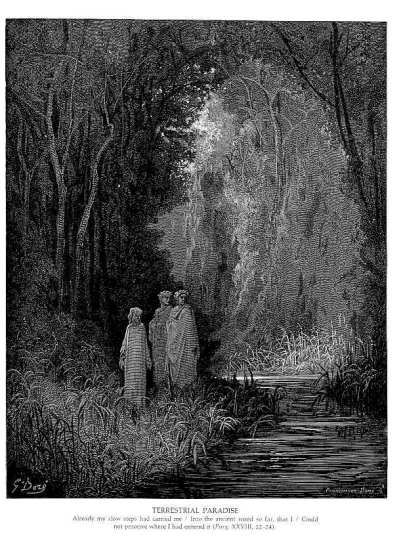
Illustration for the “Divine Comedy” painted by Paul Gustave Dore
The illustration for the “Divine Comedy” painted by Paul Gustave Dore is a work that masterfully captures the essence and epic tone of Dante Alighieri’s masterpiece. Dore skillfully depicts the infernal landscapes, the torments and sufferings of the damned, as well as the majesty of the celestial realms. His detailed black and white drawings convey a sense of mystery and wonder that envelops the viewer.
Dore’s illustrations for the “Divine Comedy” have become an iconic reference in world literature, widely recognized and admired for their artistic quality and ability to evoke the environments and characters described by Dante. Dore’s technique and style add a new visual dimension to the work, enriching the reading experience.
Dore’s mastery in illustrating the “Divine Comedy” has transcended time and remains an important influence in the visual representation of this medieval epic. His images endure in the collective memory as a masterful interpretation of the poet’s journey through Hell, Purgatory, and Paradise.
When was the painting Illustration for the “Divine Comedy” painted?
The painting Illustration for the “Divine Comedy” by Paul Gustave Dore was painted in the 19th century.
Artistic style of Illustration for the “Divine Comedy”
The artistic style of the illustration for the “Divine Comedy” by Paul Gustave Dore is characterized by its detail and its ability to capture the unique atmosphere of Dante’s work. Dore uses a realistic style in his drawings, with a strong emphasis on textures and shadows, giving his illustrations great depth and drama.
The influence of Romanticism is evident in Dore’s works, which aim to convey intense emotions and awaken the viewer’s imagination. His use of chiaroscuro and his skill in creating striking compositions make his illustrations a masterpiece of graphic art.
History of the painting Illustration for the “Divine Comedy”
The illustration for the “Divine Comedy” by Paul Gustave Dore was commissioned by a French publisher in the mid-19th century to accompany an illustrated edition of Dante’s poem. Dore worked diligently in creating the images, dedicating months to researching and designing every detail to faithfully capture the vision of the Italian poet.
The impact of Dore’s illustrations on the reception of the “Divine Comedy” was immense, as they brought Dante’s work closer to a broader and more diverse audience. Dore’s work became an unavoidable reference for future visual representations of the work, influencing generations of artists and readers alike.
If you are interested in a framed replica of this work, our personal recommendation is the store Fine Artic. They offer a very high-quality service at fantastic prices; as long as the work is copyright-free, you can fill your walls with art without having to spend too much.


