Works of Edvard Munch
Edvard Munch was a Norwegian painter known for his expressionist style and emotionally charged works. His paintings, such as “The Scream” and “The Madonna,” reflect his personal anguish and his worldview. Munch stood out for his use of color and composition to convey deep and disturbing sensations.
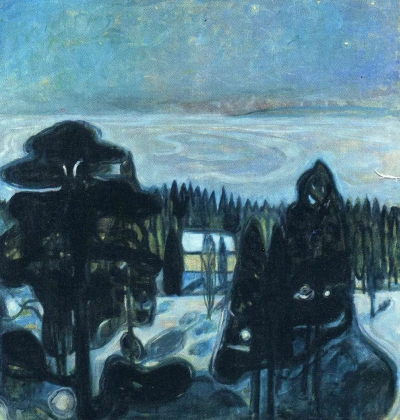
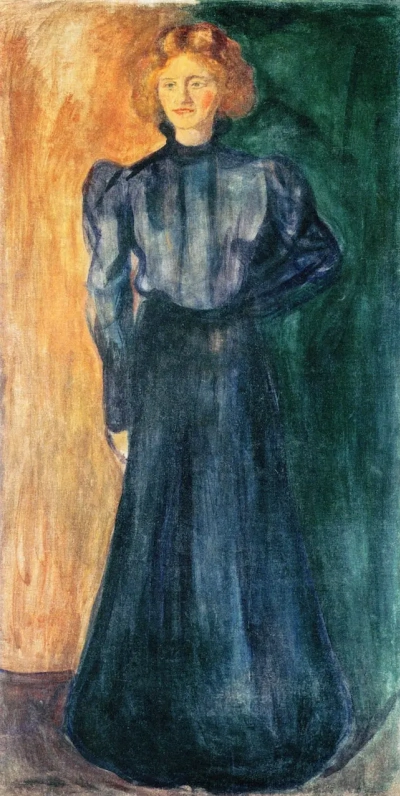
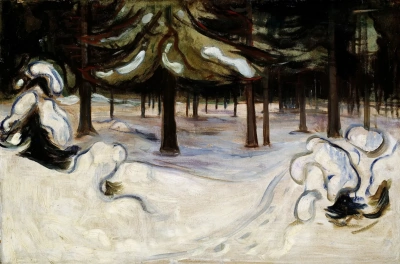
The paintings of Edvard Munch usually depict human figures in a distorted manner and in dark, melancholic settings. His loose and expressive brushstrokes create an atmosphere of unease and tension characteristic of his style. Munch has been considered one of the pioneers of expressionism, and his work has influenced numerous modern artists.
Artistic style and technique of Edvard Munch
Edvard Munch stood out for his expressionist style, in which he sought to represent emotions and moods through the distortion of shapes and colors. His technique included loose and vibrant brushstrokes that created intense light and shadow effects. Munch also experimented with printmaking and the themes of his works, exploring subjects such as loneliness, anxiety, and death.
The work of Edvard Munch is also characterized by its sense of composition and atmosphere. His unusual framing and emotive colors contribute to creating a surreal and disturbing world in which emotions and feelings take center stage.
Life and legacy of Edvard Munch
The life of Edvard Munch was marked by family tragedies and mental health issues that deeply influenced his work. Despite his difficulties, Munch managed to create a unique artistic legacy that has endured over the years.
His paintings continue to be admired and studied today, and his influence on contemporary art is undeniable. Edvard Munch has left an indelible mark on the history of art, being considered one of the most influential painters of the 20th century.