Works of Francisco Goya
Francisco Goya was a Spanish painter known for his masterpieces that reflect the reality of his time. His paintings are recognized for their focus on political and social themes, as well as for his innovative use of technique.
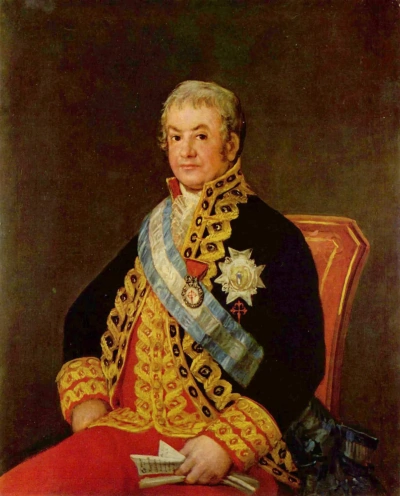
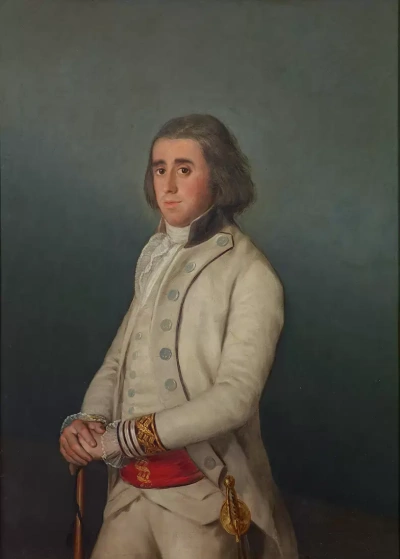
Francisco Goya’s paintings cover a wide variety of subjects, from portraits to historical paintings and scenes of everyday life. His most famous works include “The Nude Maja,” “The Third of May 1808,” and “The Family of Charles IV.” Goya was a master at capturing emotion and humanity in his paintings, which earned him recognition as one of the great artists of his time.
Artistic Style and Technique of Francisco Goya
Francisco Goya’s artistic style is characterized by its raw realism and focus on dark and disturbing themes. His innovative techniques, such as the use of chiaroscuro and loose brushstrokes, allowed him to create emotionally impactful and visually impressive works.
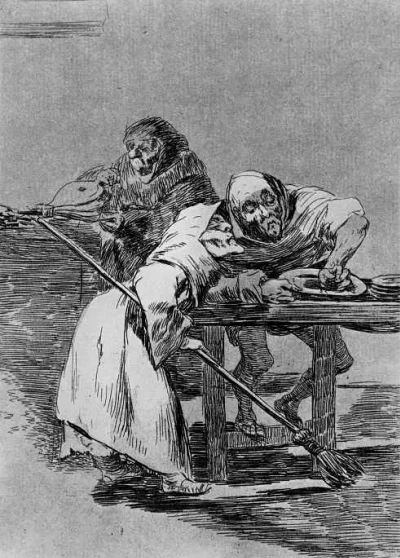
Goya was also a master of printmaking, producing a series of graphic works known as the “Caprichos” noted for their satire and social critique. His ability to represent light and shadow, as well as his dynamic compositions, have influenced numerous later artists.
Life and Legacy of Francisco Goya
Francisco Goya was born in 1746 in Fuendetodos, Spain, and spent most of his life in Madrid. Throughout his career, Goya worked for the Spanish nobility and the royal family, creating high-quality portraits and historical paintings.
Francisco Goya’s legacy is undeniable, as his works continue to be studied and appreciated worldwide. His skill in portraying the human condition, along with his courage to address controversial topics, make him one of the most important artists in art history. Through his paintings, Goya managed to capture the essence of his era and convey profound emotions that endure to this day.


![El álbum de Madrid [20]: Modelo desnuda con un espejo](https://artistasycuadros.com/wp-content/uploads/2024/03/El-album-de-Madrid-20-Modelo-desnuda-con-un-espejo-de-espaldas-o-Despues-de-un-bano.webp)