Works of Henri de Toulouse-Lautrec
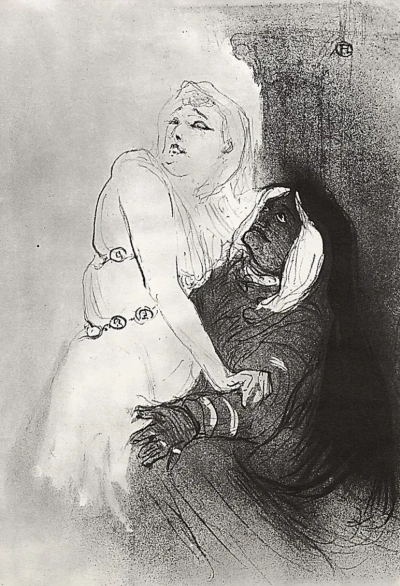
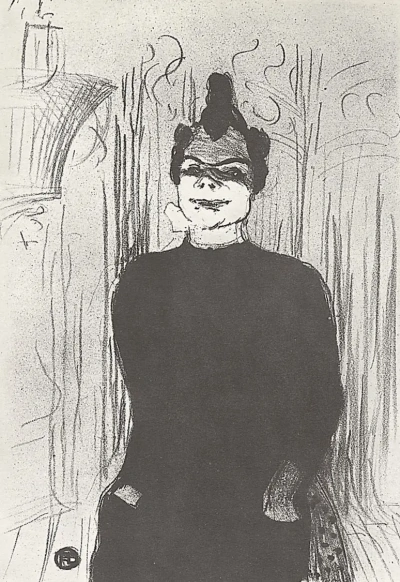
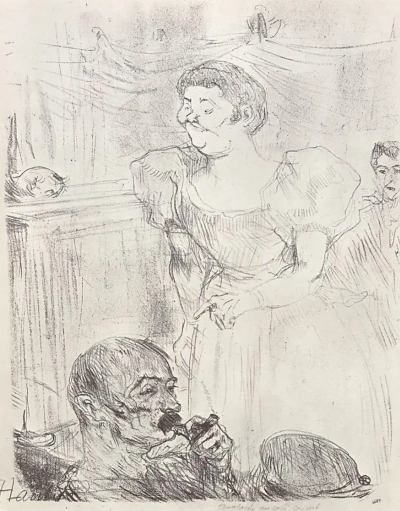
Henri de Toulouse-Lautrec was a post-Impressionist painter highly recognized for his works that capture the nightlife of the city of Paris during the Belle Époque. His paintings reflect the bohemian life of the era, with scenes of cabarets, theaters, and brothels. He used vibrant colors and bold lines to create dynamic and expressive compositions.
Among his most famous works are “Moulin Rouge: La Goulue” and “Dancing at the Moulin Rouge”. Lautrec also stood out for his portraits of personalities of the time, such as singer Yvette Guilbert and dancer Jane Avril. His unique style and raw depiction of urban life have left an indelible mark on art history.
Artistic style and technique of Henri de Toulouse-Lautrec
Henri de Toulouse-Lautrec was characterized by his distinctive style that combined the influence of Impressionism with a more modern and personal approach. His works are characterized by vibrant colors, bold lines y dynamic compositions. His technique of use of negative space y ability to capture the essence of his subjects stand out as one of the most original artists of his time.
The way Lautrec represented the nightlife of Paris with raw realism y sincere emotion set him apart from his contemporaries. His unconventional approach and his boldness to explore taboo subjects earned him both praise and criticism. Overall, his unique style and innovative technique influenced later generations of artists.
Life and legacy of Henri de Toulouse-Lautrec
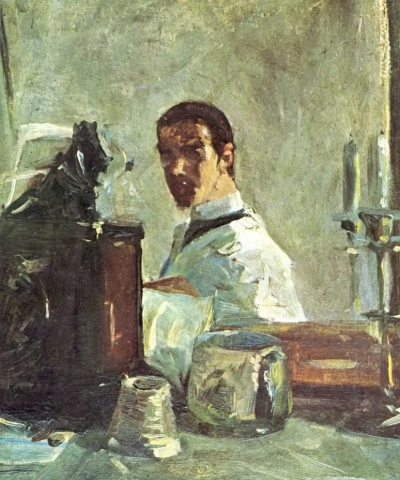
Henri de Toulouse-Lautrec was born in 1864 in Albi, France, to an aristocratic family. Despite suffering health problems throughout his life, he became one of the most influential painters of his time. His personal life was marked by his physical deformity, which led him to seek refuge in the bohemian life of Montmartre, in Paris.
His legacy endures in art history as one of the pioneers in representing modern urban life. His influence is reflected in the work of later artists, such as Pablo Picasso and Edvard Munch, who admired his boldness and originality. Henri de Toulouse-Lautrec passed away in 1901, but his work continues to be celebrated and studied worldwide.