Works of Hieronymus Bosch
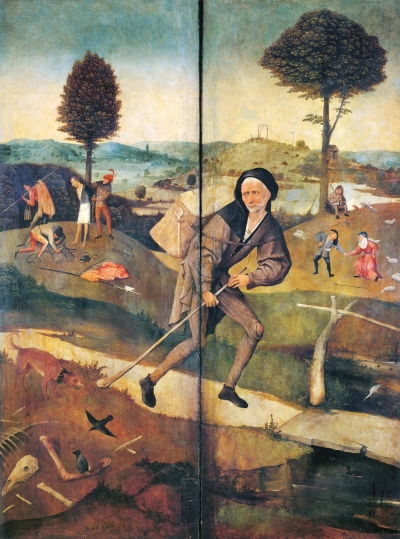
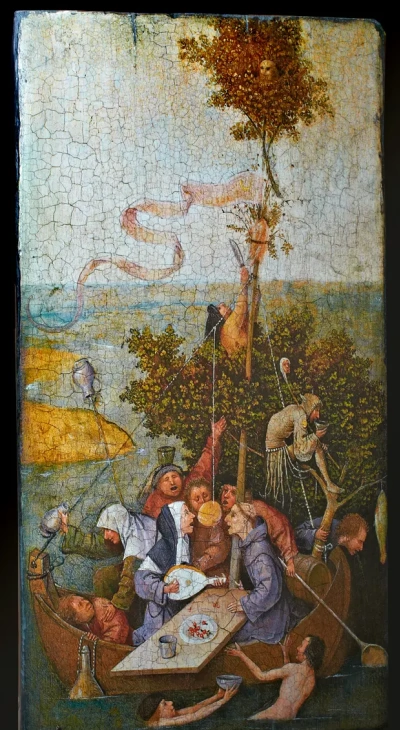
Hieronymus Bosch was a 15th-century Dutch painter known for his strange and enigmatic paintings. His works are characterized by the presence of fantastic figures and complex scenes that defy conventional interpretation.
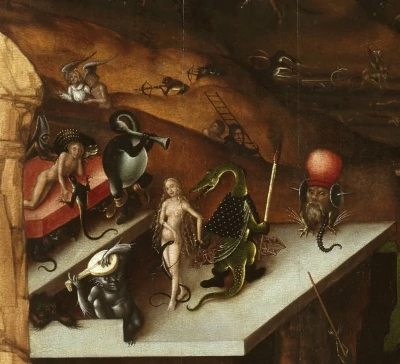
The paintings of Bosch often depict visions of the beyond, with demonic figures, mythological creatures, and surreal landscapes. His works, such as “The Garden of Earthly Delights” and “The Temptation of St. Anthony,” have fascinated generations of viewers and have been the subject of multiple interpretations and studies.
Artistic style and technique of Bosch
Bosch was characterized by a unique artistic style that combined religious elements with vivid representations of everyday life and the fantastic. His works stand out for their detailed technique and masterful use of color and composition.
The technique of Bosch included the use of transparent layers of color to achieve luminous effects and the representation of complex textures. His surreal and visionary style has been a lasting influence in art history, and his work continues to be studied and admired today.
Life and legacy of Bosch
Bosch was born in the 15th century in Brabant, in what is now the Netherlands. Throughout his life, he produced a large number of works that reflected his unique vision of the world and his deep sense of religiosity.
After his death, the legacy of Bosch continued to grow, and his paintings have become part of collections in museums worldwide. His impact on art history is undeniable, and his influence can be seen in later artists such as Salvador Dalí and René Magritte.