Works of Rembrandt Harmenszoon van Rijn
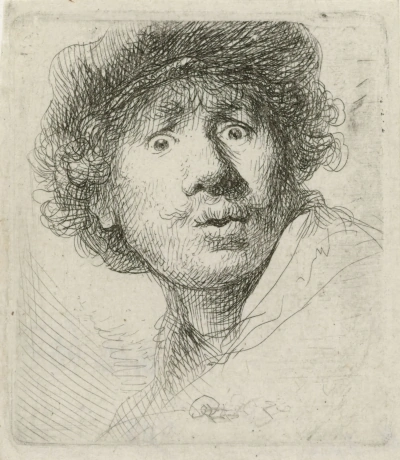
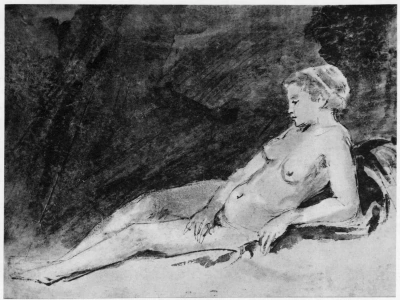
Rembrandt Harmenszoon van Rijn was one of the most important painters of the Dutch Golden Age. His work is characterized by his mastery in the use of light and shadow, as well as by his realistic and emotionally powerful portraits.
His paintings reflect deep introspection and great technical skill. Rembrandt was able to capture the essence of his subjects with great sensitivity and realism. His most famous works include “The Night Watch,” “The Anatomy Lesson of Dr. Tulp,” and “The Syndics of the Drapers’ Guild,” among many others.
Artistic style and technique of Rembrandt Harmenszoon van Rijn
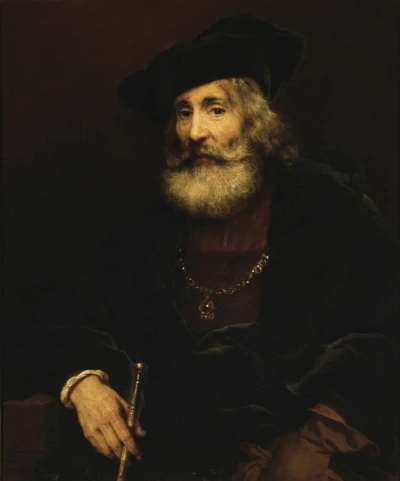
Rembrandt stood out for his masterful use of the chiaroscuro technique, which involves the play of light and shadows to create drama and emotion in his works. His loose and energetic brushstrokes gave his paintings a sense of movement and life.
Furthermore, Rembrandt he was a master of portraiture, capable of capturing the personality and character of his models like no other. His unique style and technical skill have inspired generations of artists worldwide.
Life and legacy of Rembrandt Harmenszoon van Rijn
Rembrandt was born in 1606 in Leiden, Netherlands, and died in 1669 in Amsterdam. Throughout his life, he faced numerous personal and financial tragedies, but he continued producing masterpieces until the end.
His legacy as a painter has endured through the centuries, influencing numerous later artists and being celebrated as one of the great masters in the history of art. His ability to combine technique, emotion, and realism in his works makes him an iconic figure in art history.