Works of Michelangelo
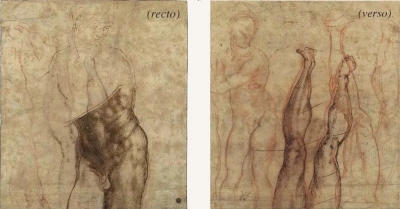
Michelangelo (Michelangelo) was an Italian Renaissance painter, sculptor, architect, and poet, recognized for his mastery in various art forms and for his profound impact on Western artistic tradition. His works illustrate an exceptional balance between technique, emotion, and storytelling, managing to transcend time and influence generations of artists.
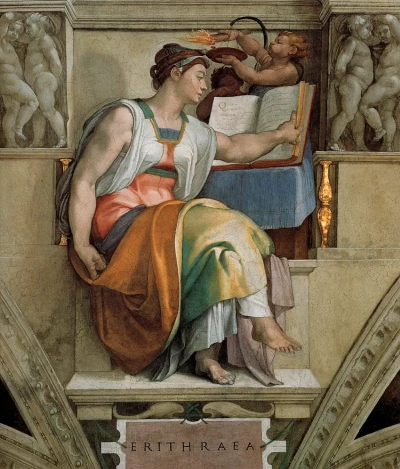
Among his most notable creations are the frescoes of the Sistine Chapel, where his ability to bring complex biblical scenes and human figures to life demonstrates a deep knowledge of anatomy and the use of space and perspective. Additionally, his monumental statue of David stands as a testament to his skill for sculpting with detail and precision, capturing both physical strength and spiritual nobility.
Michelangelo viewed his art not just as a craft, but as an almost divine mission to reveal spiritual beauty through physical perfection. His work reflects an intense pursuit of truth and beauty, and his influence is palpable not only in the techniques used but in the ability of his works to evoke profound contemplation about the human experience and the divine.
Artistic Style and Technique of Michelangelo
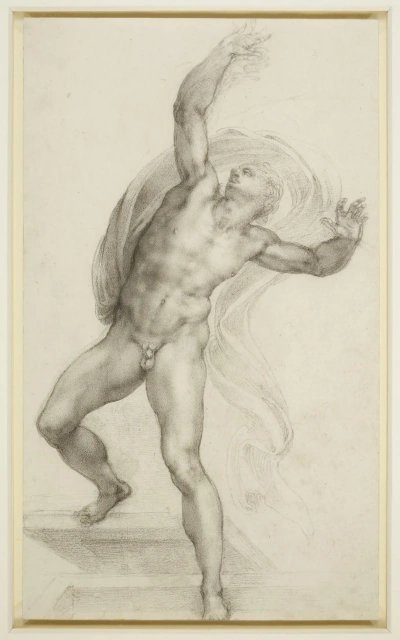
Michelangelo’s (Michelangelo) artistic style is characterized by deep realism and his ability to capture human dynamism and emotion through meticulous anatomical detail. His work is part of the Italian Renaissance, a period marked by the rediscovery of classical techniques and an emphasis on humanism. Michelangelo raised these traits to new heights, blending precise techniques with intense emotional and narrative expression.
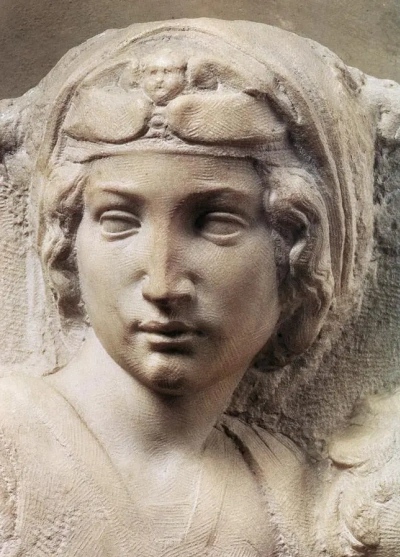
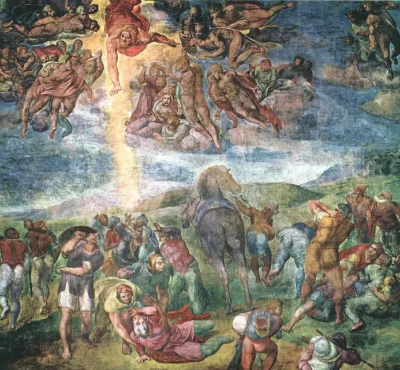
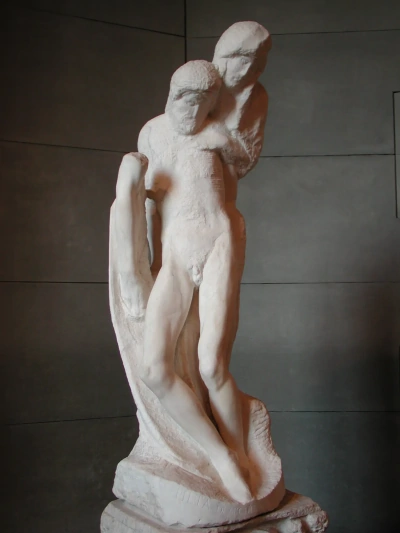
Regarding his technique, Michelangelo mastered both painting and sculpture, employing an almost scientific rigor in the study of the human body. In his frescoes, such as those in the Sistine Chapel, he used sophisticated chiaroscuro and perspective techniques, creating a sense of depth and vitality in every figure. In sculpture, his use of marble reached unparalleled levels of realism, where every muscle and skin fold seems to vibrate with life. Works like “David” and “Pietà” are sublime examples of his ability to transform stone into an almost ethereal form, conveying both serenity and power.
Life and Legacy of Michelangelo
Michelangelo Buonarroti was born on March 6, 1475, in Caprese, Italy, and is considered one of the greatest artists of the Renaissance and of all art history. Throughout his prolific life, Michelangelo excelled not only in painting and sculpture but also in architecture and poetry. Among his most iconic works are the frescoes of the Sistine Chapel, the sculpture of David and the Pietà, as well as the dome of St. Peter’s Basilica in the Vatican.
Michelangelo’s legacy is immense, influencing generations of artists and setting high standards across multiple artistic disciplines. His ability to capture the beauty and complexity of the human form, as well as his profound understanding of space and composition, has left an indelible mark on art history. Michelangelo remains a monumental figure, remembered not only for his exceptional talent but also for his relentless pursuit of perfection and truth through art.