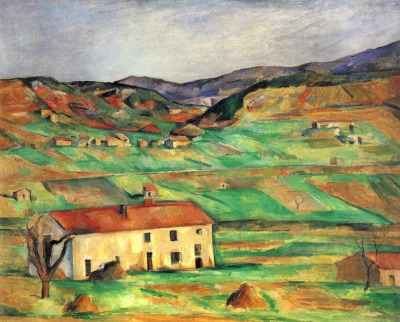
Gardanne Neighborhood. Painted by Paul Cezanne
The painting Gardanne Neighborhood, created by the French artist Paul Cezanne, is a work that shows a view of a village in the French countryside. The composition is full of vibrant colors and loose brushstrokes that reflect the influence of Impressionism in Cezanne’s work.
The atmosphere of tranquility and serenity conveyed by the painting, combined with the precision in the depiction of light and shadow, make Gardanne Neighborhood a notable work in Cezanne’s career.
The way Cezanne captures the beauty of the everyday in this painting, as well as his skill in creating a sense of depth in the landscape, demonstrate the talent and mastery of the artist in his representation of nature.
When was the painting Gardanne Neighborhood painted?
The painting Gardanne Neighborhood by Paul Cezanne was painted in the year 1885.
Artistic style of Gardanne Neighborhood.
The painting Gardanne Neighborhood by Paul Cezanne shows a clear influence of Post-Impressionism, with a bold color palette and expressive brushstroke technique that mark his unique style.
Cezanne manages to merge Impressionist elements with a more structured and geometric vision in Gardanne Neighborhood, creating a work that sits in the transition towards modern art.
History of the painting Gardanne Neighborhood.
The creation of the painting Gardanne Neighborhood was a process that reflected Cezanne’s passion and dedication to capturing the essence of nature and daily life in his works. The influence of his surroundings in Gardanne is evident in the careful representation of every detail in the painting.
Cezanne’s work, including Gardanne Neighborhood, has left a lasting legacy in the history of art, impacting subsequent generations of artists and being recognized as a fundamental piece in the evolution of modern painting.
If you are interested in a framed replica of this work, our personal recommendation is the shop Fine Artic. They offer a very high-quality service at fantastic prices, as long as the work is free of rights you can fill your walls with art without having to spend too much.


