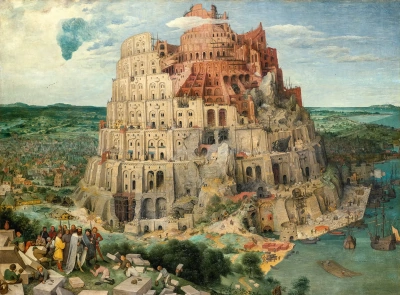
The Tower of Babel by Pieter Bruegel The Elder
The masterpiece of Pieter Bruegel The Elder, the Tower of Babel, is a painting that has fascinated viewers for centuries. It depicts the legendary tower described in the Bible, built by humanity trying to reach the sky. The painting is full of details and characters that show the chaos and confusion reigning during the structure’s construction.
Bruegel masterfully captured the complexity of the scene, using a rich color palette and detailed composition. The human figures intertwine with the crumbling architecture, creating a sense of disorder and despair. The representation of the tower itself is impressive, showing its imposing size in the landscape.
Bruegel’s Tower of Babel is a work that invites reflection on human ambition and the consequences of arrogance. Through his exceptional technique and visual narrative, the artist conveys a timeless message about human nature and its aspirations.
When was the Tower of Babel painting created?
The Tower of Babel by Pieter Bruegel The Elder was painted in the year 1563.
Artistic style of Tower of Babel
The artistic style of Bruegel’s Tower of Babel is characterized by its detailed depiction of the biblical scene, combined with a realistic approach in the execution of the human figures and architecture. The use of vibrant colors and the complexity of the composition reflect the artist’s technical skill and narrative ability.
History of the Tower of Babel painting
Bruegel’s Tower of Babel is one of the artist’s most emblematic works, admired by generations of viewers. Its creation is framed within a context of profound social and religious changes in 16th-century Europe, exploring themes such as human vanity and the fall of the tower as divine punishment.
If you are interested in a framed replica of this work, our personal recommendation is the store Fine Artic. They offer a very high-quality service at fantastic prices, as long as the work is out of copyright, you can fill your walls with art without having to spend too much.


